Supporting Big Feelings: What We Shared at Our Coffee Morning
There is something special about opening the doors of the school and inviting families in. On 20 March, we welcomed new and prospective families to the Swedish International School of Geneva for one of our Coffee Mornings.
These gatherings give us time to slow down, connect, and talk about what really matters in early childhood. This time, the focus was on something every parent recognises straight away: children’s emotions, and how we support them.
A Brain That Is Still Growing
One of the ideas we explored is just how much is happening inside a young child’s brain. In the early years, it is constantly taking in information and building an understanding of the world.
From birth to six, children move through important stages. First, they experience the world through their senses and movement. Then language and social skills begin to grow quickly. A little later, emotions become more complex and more visible in daily life.
These years matter deeply. Sleep, nutrition, and movement all play a role in development. Just as important is the sense of security a child feels. When adults respond consistently and calmly, children build trust and confidence in the world around them.
When Emotions Take Over
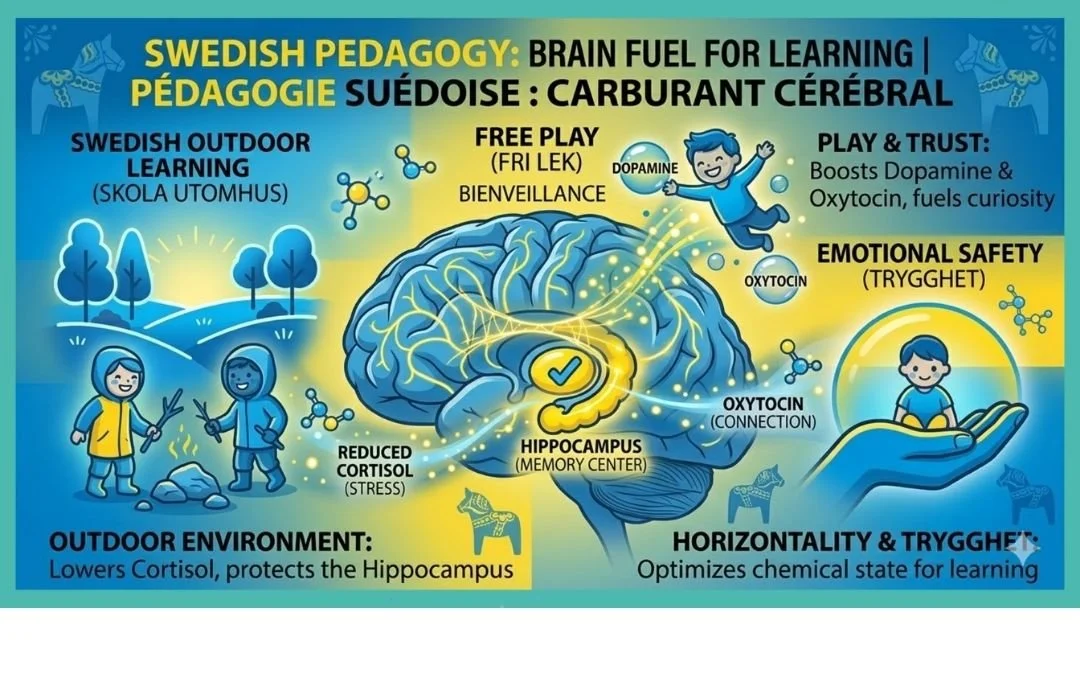
We also talked about what happens in those moments when emotions run high. Many of you will recognise it instantly. A small situation turns into a very big reaction.
A young child’s brain is still developing. The part responsible for logic and reasoning takes many years to fully mature. When a child is overwhelmed, that logical part becomes harder to access. What takes over instead is the emotional and instinctive response.
This is why children cannot always calm themselves down. They need an adult nearby who can stay calm and help them find their balance again. This shared regulation is something we practise every day at school.
Helping Children Make Sense of Their Feelings
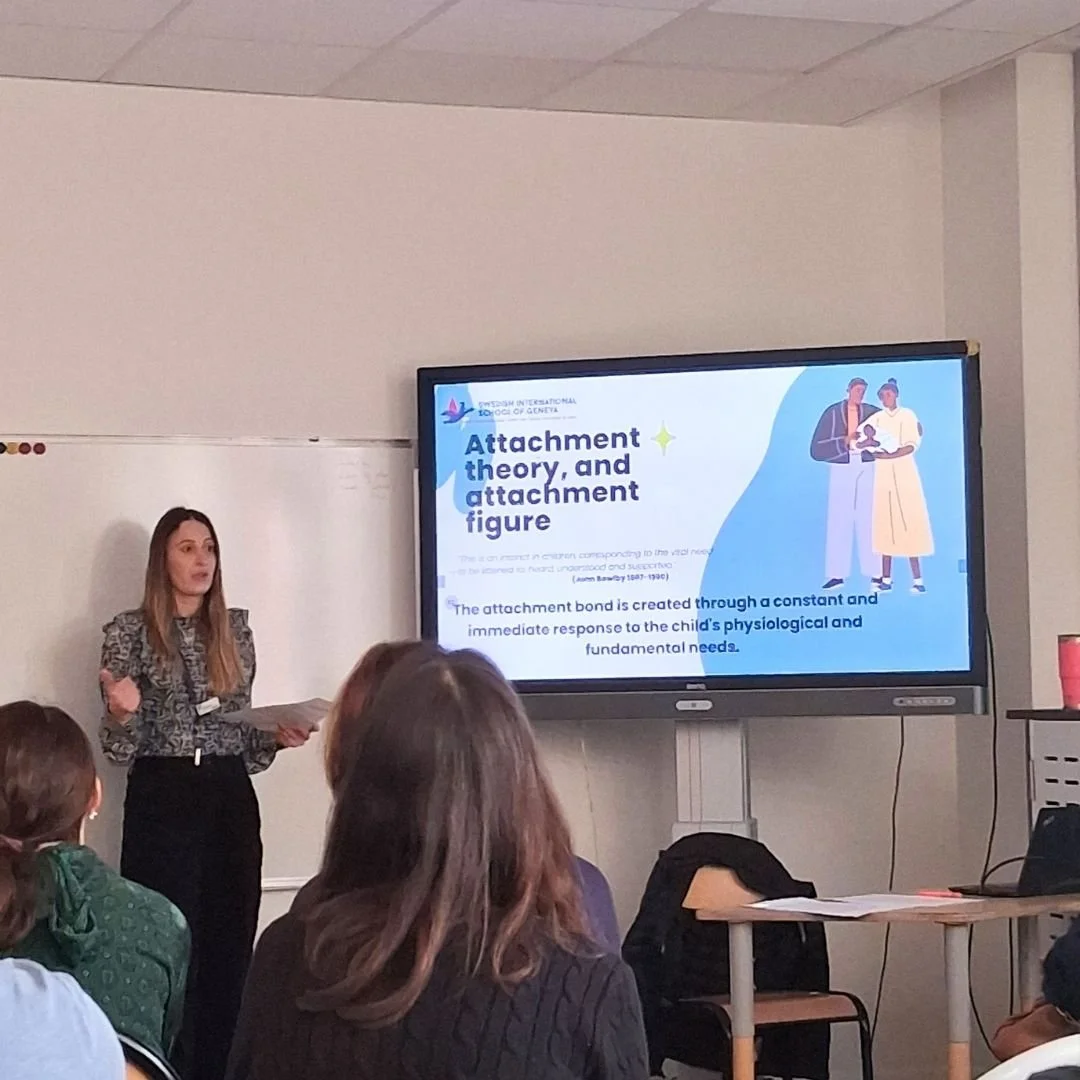
One of the most powerful things we can offer children is language for their emotions.
When a feeling is acknowledged, it often begins to settle. A simple sentence such as, “I can see this feels really hard right now,” helps a child feel understood. From there, we can gently help them put words to what they are experiencing.
“It looks like you might be feeling angry. Does that feel right?”
Over time, this builds emotional awareness. Children begin to recognise their own feelings and, gradually, learn how to manage them.
We also shared a few simple ways to help children release strong emotions. This might be through movement, breathing, or creative expression. Small, playful strategies can make a big difference in these moments.
A Shared Approach
What stood out most during the morning was how important this work is both at school and at home. Children benefit from consistency. When they experience the same calm, supportive approach in different environments, it strengthens their sense of security.
At the Swedish International School of Geneva, we aim to create a setting where care, learning, and development come together naturally. Emotional development is part of that whole.