Beyond the Classroom: Why the Sky is Our Favourite Ceiling
Step outside with us on any given school day and you will quickly see something different. Lessons are not confined to four walls. At the Swedish International School of Geneva, the world itself becomes part of how we learn.
This approach is rooted in Swedish pedagogy, where the environment is seen as a “third teacher.” It shapes how children think, explore, and make sense of what they are learning.
On 25 March, our staff gathered to reflect on this idea and to strengthen what we call our “Red Thread.” This is the connection that runs through everything we do, linking classroom learning with real experiences outdoors.
At the heart of the Swedish approach is a simple belief. Children are capable, curious, and eager to understand the world around them. When they feel safe and involved, their learning becomes deeper and more meaningful.
Outdoors, this comes to life in a very natural way. Teachers guide and support rather than direct every step. There is space for questions, movement, and discovery.
Time outside also supports wellbeing. Fresh air, physical activity, and a change of setting help children stay engaged and ready to learn.
Learning That Connects to Real Life
Our outdoor learning links closely with the Swedish National Curriculum and gives students the chance to experience ideas rather than just hear about them.
In Primary, students explore nature while developing respect for it. A maths lesson might take place in the forest. A science concept might be explored through observation and discussion outdoors. These experiences help turn abstract ideas into something concrete and memorable.
In Preschool, the focus is on curiosity and exploration. Children spend time asking questions, testing ideas, and solving small problems in natural settings. Along the way, they build confidence and begin to understand their role in caring for the environment.
A Natural Part of the School Day
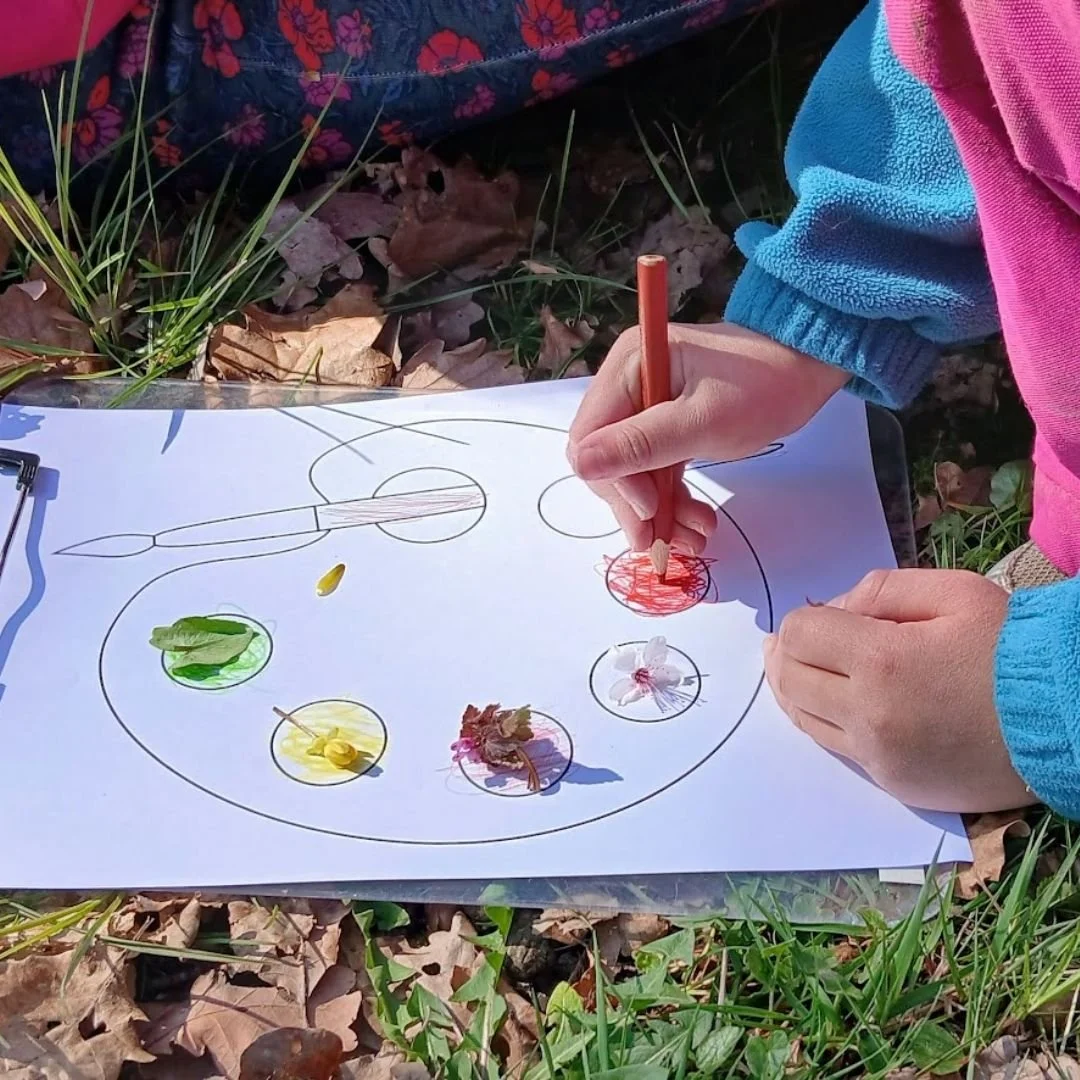
Outdoor learning is woven into the rhythm of the day. It sits alongside classroom learning and strengthens it.
A bushcraft session, a nature walk, or an outdoor language activity all contribute to the same goals. Each experience connects back to the “Red Thread,” helping students see how their learning fits together.
To make this work well, there is clear structure in place. Students know where to meet and how to stay safe. They understand the purpose of each session and come prepared for the weather.
Growing Thoughtful Learners
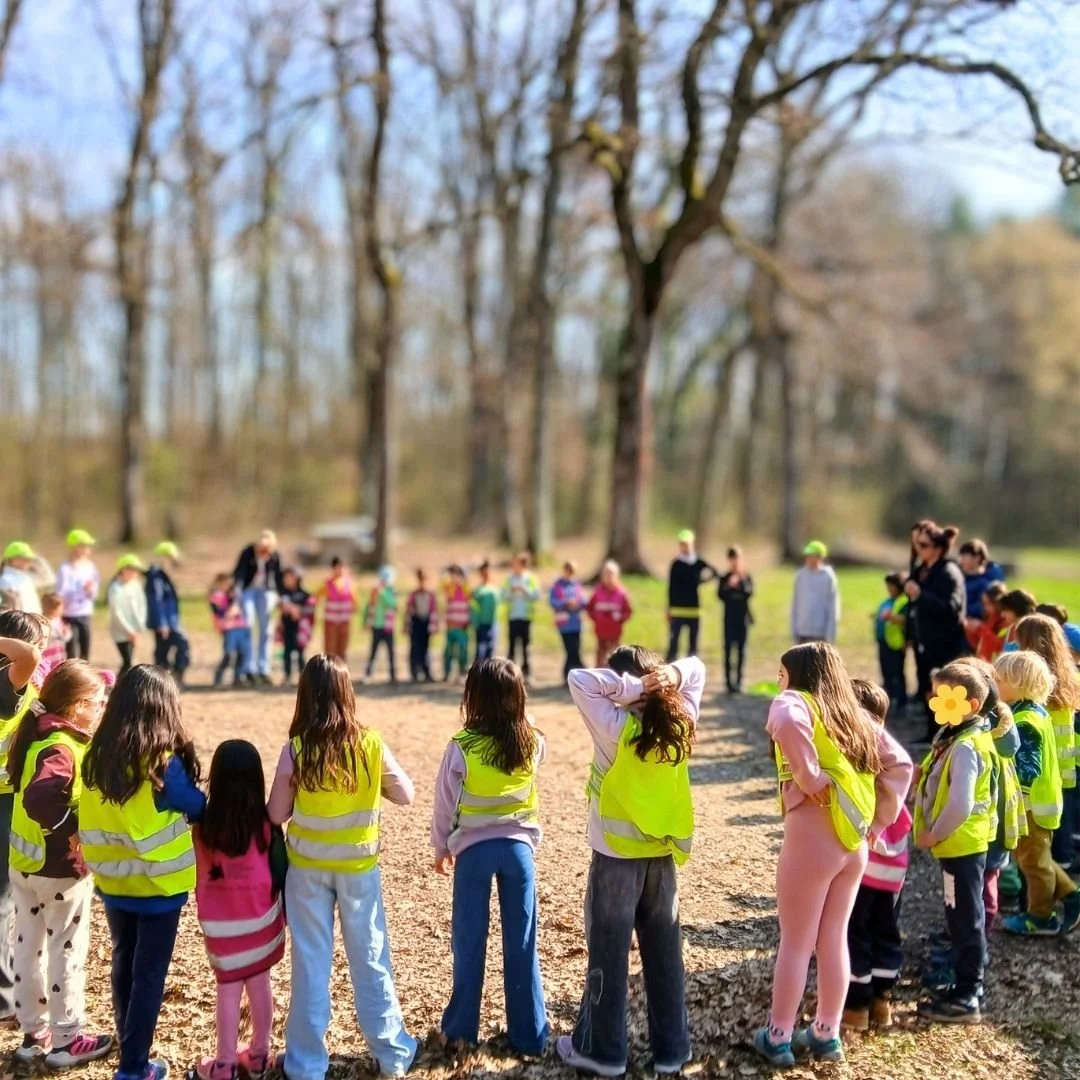
When learning moves beyond the classroom, something shifts. Students become more independent. They ask more questions. They begin to take responsibility for their surroundings.
This is what we hope to nurture every day. A sense of curiosity, a respect for nature, and the confidence to think for themselves.
And often, the best place for that to happen is right under the open sky.