Building Our Digital Community First
First Four Weeks of Digital Literacy in Upper Primary
What happens when you start a Digital Literacy programme… without giving students a device?
In 5P at SISOG, we decided to start somewhere more important: with each other.
During our first four weeks of Digital Literacy, there wasn't a Chromebook in sight. Instead, our classroom was filled with discussion, movement, problem-solving, laughter, reflection, and plenty of ideas from the students themselves.
Before students learn how to navigate the digital world, we want them to think about how they want to be in that world.
How do we show respect online and offline?
How do we look after something that belongs to the whole community?
What do we do when technology frustrates us?
And perhaps most importantly: How can our choices help everyone learn?
These questions connect directly to the SISOG values of equality, empathy, community, commitment, and a love of learning.
From Middle Primary to Upper Primary
Moving from Middle Primary into Upper Primary brings new responsibilities and new opportunities. Our first lessons helped students reconnect with ideas they had explored in 3P and 4P through the Common Sense Media Digital Citizenship programme with SISOG Vice Principal, Shaina Alarcon.
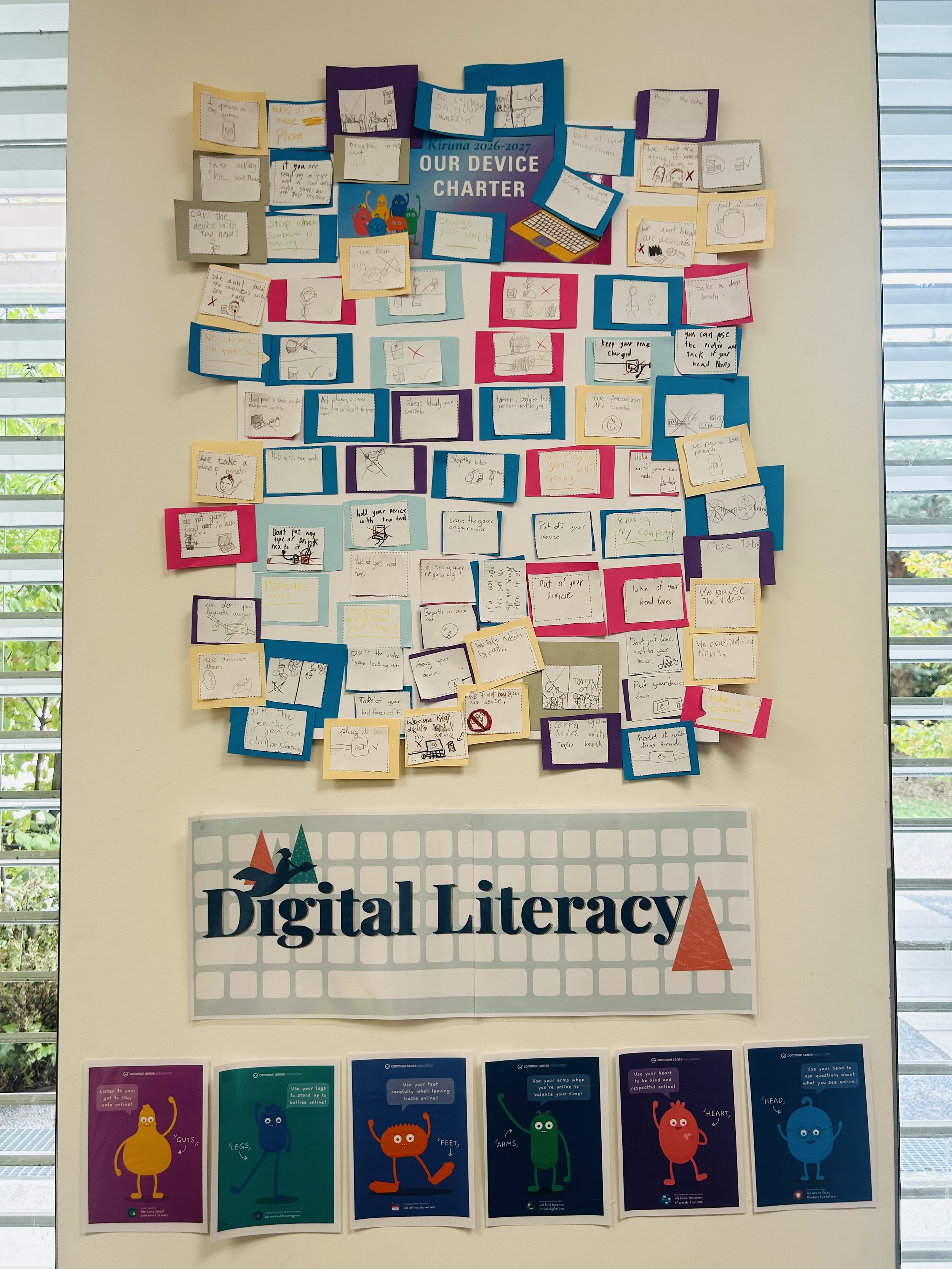
Students revisited the six Digital Citizen characters — Arms, Heart, Guts, Feet, Legs, and Head — and thought about how each represents a different part of making good decisions in a digital world.
But this wasn't simply about remembering six characters.
Students were challenged to think about themselves.
What does your “Heart” contribute when someone needs empathy?
When might you need your “Guts” to make a difficult choice?
How can your “Head” help you stop and think before you act?
The classroom quickly became a space for students to share ideas, listen to different perspectives, and connect digital citizenship to their own experiences.
Four Weeks, Lots of Thinking
Our first four weeks focused on something that sounds simple but is actually quite powerful: learning how to use technology well.
Students explored how to care for devices, how to stay focused, how to listen to others, and how to respond when things don't go according to plan.
They discussed, questioned, demonstrated, practised, and created.
What should a good digital learner look like?
Students explored what it means to care for a device — not just because it is an expensive piece of equipment, but because it is a shared tool for learning.
They talked about what responsible use looks and feels like in the classroom.
What happens when technology gets frustrating?
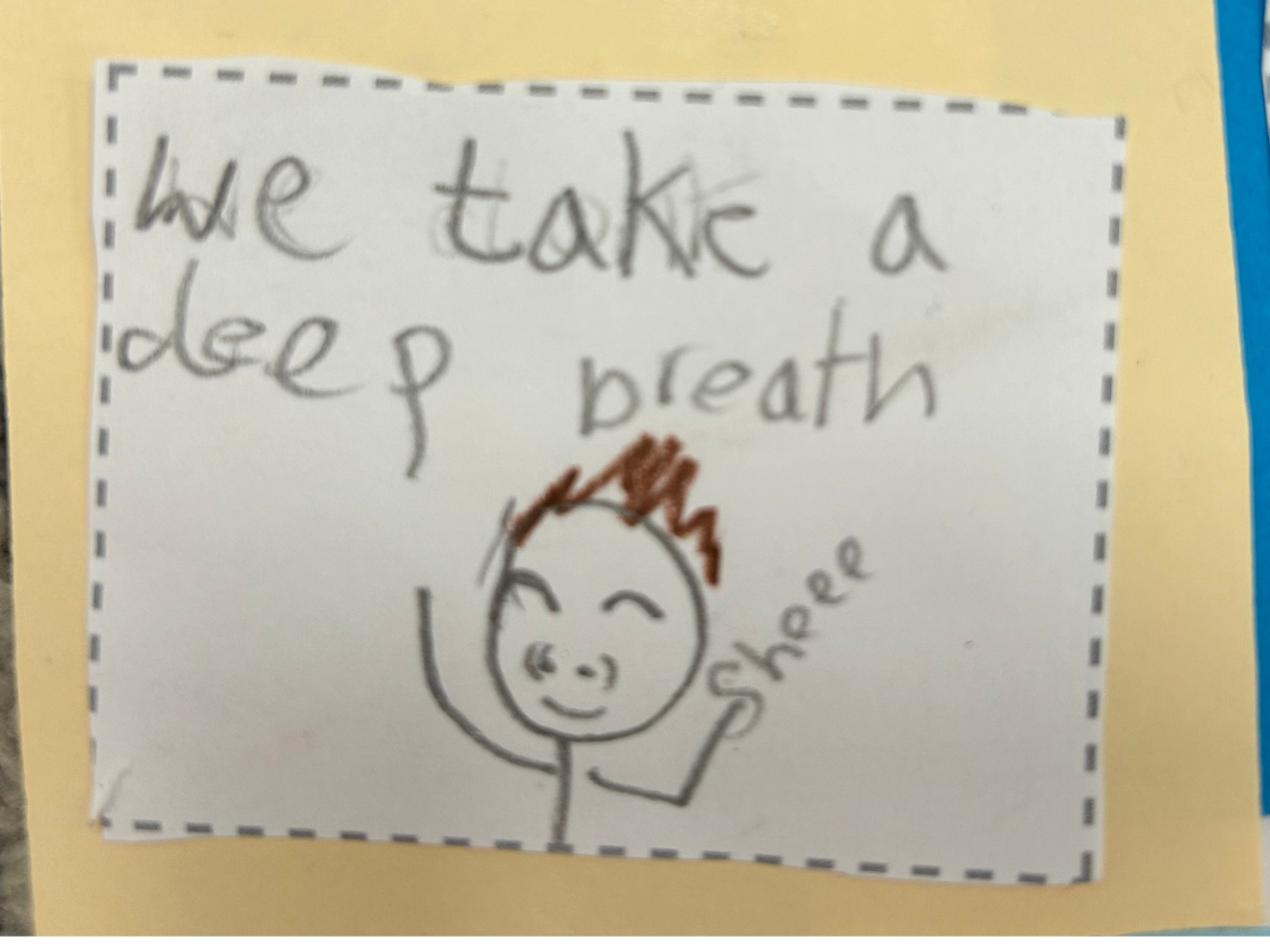
Technology doesn't always cooperate!
Students practised strategies for those moments when something doesn't work, a screen doesn't behave as expected, or frustration starts to build.
One of our key messages was simple:
Pause. Breathe. Think. Try again.
These are skills that go far beyond using a Chromebook.
Can we really put the technology aside?
Yes!
Students explored what it means to give someone their full attention. They practised putting devices aside, taking off headphones, turning towards the person speaking, and showing through their body language that they are listening.
It was a reminder that being a strong digital learner also means knowing when technology should take a back seat.
What distracts us?
Together, students identified the things that can pull their attention away from learning.
They discussed distractions, considered different strategies for managing them, and practised making choices that help them return their focus to the task.
The goal wasn't to eliminate every distraction.
It was to help students recognise one and say:
“I can choose what I do next.”
A Connected Effort: Bringing Families On Board
We know that healthy digital habits do not stop at the end of the day. Technology use is not just a school task — it is a shared, connected effort between school and family. To build a truly supportive community, we need families fully on board with these conversations.
That is why we sent home Family Conversation Starters tied directly to our classroom discussions during these first weeks. Whether we are discussing device responsibility (such as charging routines and keeping equipment safe), practising active listening by pausing screens and removing headphones, or setting boundaries around digital distractions, these weekly guides give parents and students a comfortable, structured way to talk about digital life at home. By aligning home and school environments, we help students see that being a good digital citizen isn't just about following classroom rules, it is a core value that guides how we communicate, learn, and interact wherever we are.
Students Write the Rules
Perhaps the most exciting part of our first four weeks came in our final lesson.
Rather than giving students a list of classroom rules, we asked them to create the rules themselves.
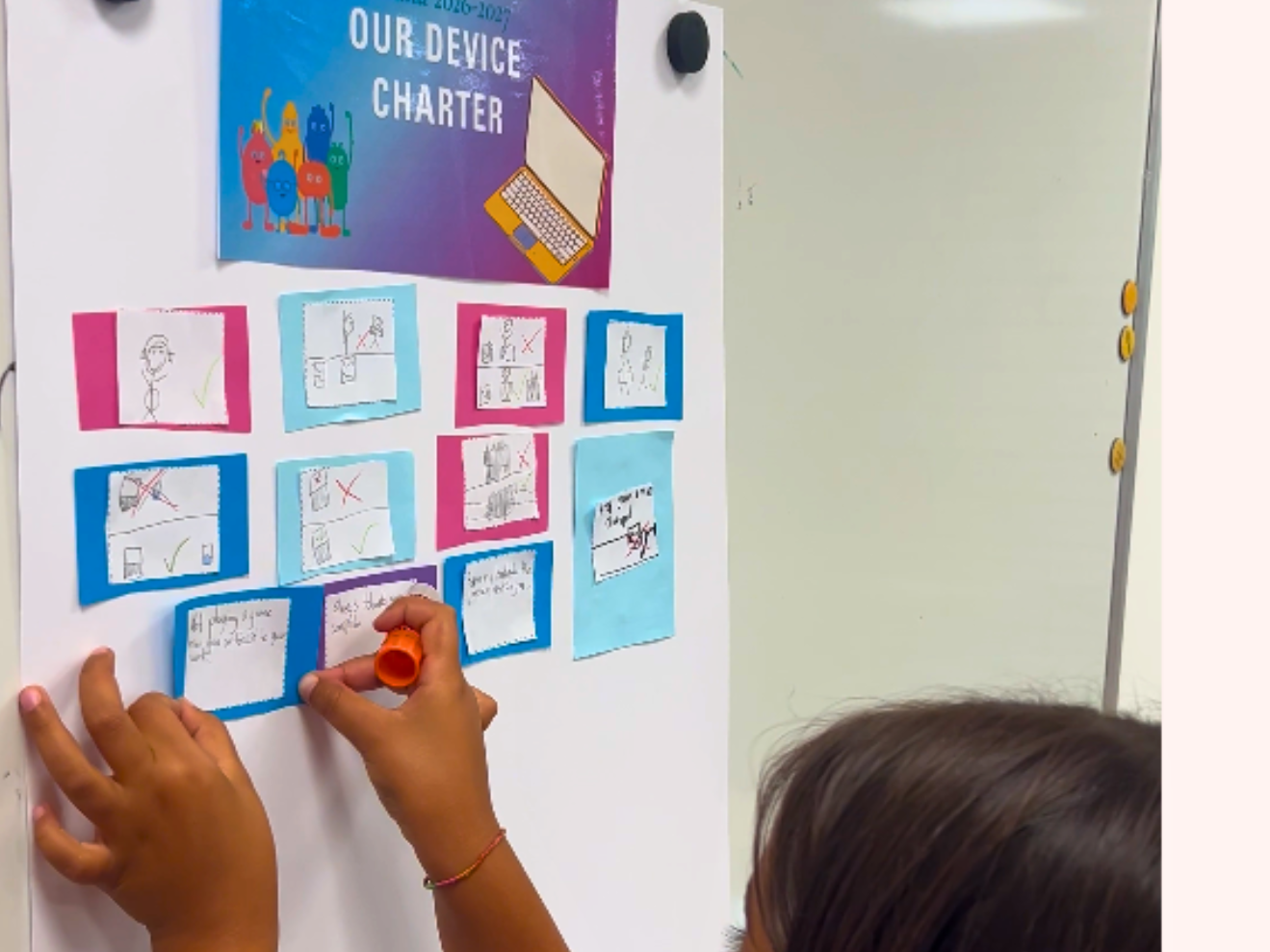
Working together, students developed a Classroom Device Charter — a shared agreement about how we will use technology, listen to one another, handle challenges, care for our devices, and create an environment where everyone can learn.
Their ideas became part of our classroom expectations.
When students help create the expectations, they aren't simply following rules handed down to them. They are taking ownership of their learning community.
And Now… We Get to Open the Chromebooks!
After four weeks of discussion, collaboration, and preparation, Upper Primary is ready.
We will now begin our structured, once-a-week hands-on Chromebook lessons.
And there is plenty to explore.
Students will begin developing practical skills such as:
Getting comfortable in the digital workspace — building typing skills and learning to navigate confidently.
Understanding how technology works — exploring the internet, search engines, hardware inputs and outputs, and the systems behind the tools they use every day.
Thinking like a coder — beginning to explore logic and basic coding concepts.
Creating and collaborating — using tools such as Google Slides to work together, communicate ideas, and solve problems.
But throughout all of this, one idea will remain at the centre:
Technology is a tool — not the goal.
We want our students to use technology to explore, create, communicate, collaborate, and extend their learning across the curriculum.
It Starts With Us and with You.
Our first four weeks may not have involved much screen time, but they have involved a great deal of learning.
Students have been thinking about responsibility, practising empathy, managing frustration, listening carefully, making choices, and contributing to their community.
Now they are ready to bring those skills into the digital world.
At SISOG, we believe that becoming a capable digital learner isn't just about knowing which button to press.
It's about knowing how to use technology thoughtfully, responsibly, creatively, and respectfully.
And that journey starts not with a Chromebook…
but with a community.
Our Upper Primary students are ready.
Let's get digital!